
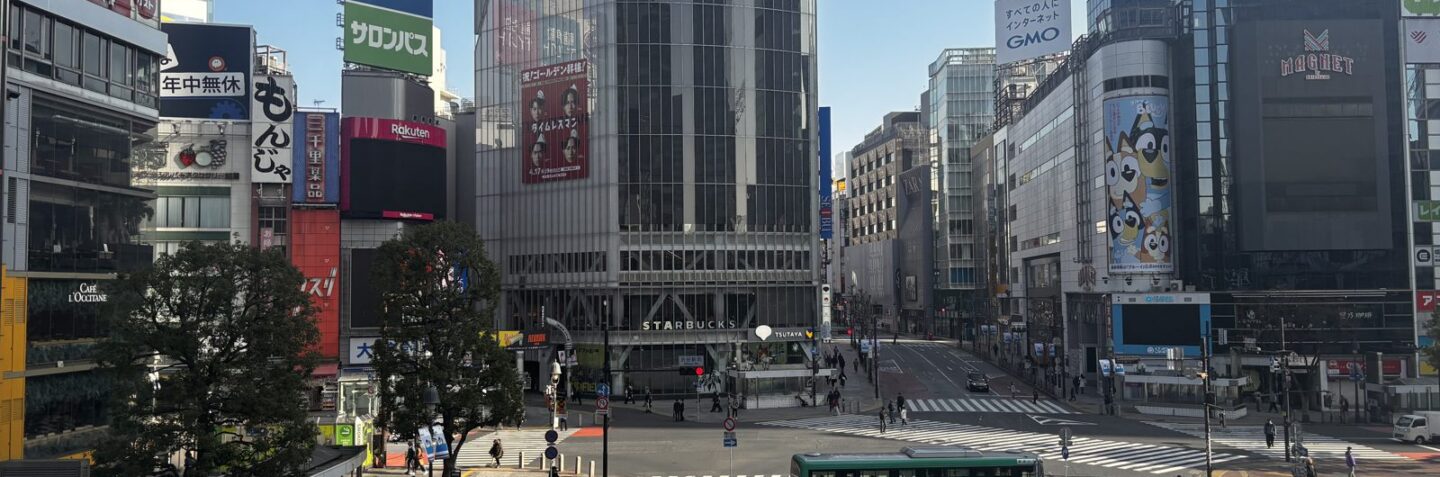

Shibuya is defined by the iconic Scramble Crossing, a vibrant hub of energy that represents the very heartbeat of Tokyo. To easily master the district’s maze of station exits and neon-lit backstreets, a dedicated Shibuya guide map is the perfect companion for your first visit.
Our Japan Pro team spent the week on the ground mapping exactly that—filtering out the noise to create a logical, step-by-step route for 2026. This guide simplifies your journey, showing you exactly which exits to use, the most efficient shopping loops, and how to find the best hidden spots for dinner. Drop a pin on your map, and let’s get moving.
Shibuya Guide Map – Arriving at Shibuya Station
Shibuya, a major Tokyo hub, is served by key lines:
- JR Lines: Yamanote, Saikyō, Shonan-Shinjuku, Narita Express, Odoriko.
- Metro & Private Lines: Ginza, Hanzomon, Fukutoshin, Den-en-toshi, Tōyoko, Inokashira.
Tip 1: Use the Hachiko Exit Always follow the Hachiko Exit signs. It is the best starting point, leading directly to the Hachiko statue and the Scramble Crossing. Other exits are confusing for first-timers.
Tip 2: Manage Luggage Due to the station’s crowds and renovations, navigating with large bags is difficult. Use Takkyubin (luggage delivery) to send bags to your hotel or utilize on-site Coin Lockers for hands-free exploration.
1. The Gateway: The Scramble and the Legends
The area immediately outside the station’s Hachiko exit is the definitive core of Shibuya. This 50-meter radius holds the district’s most famous landmarks and is the mandatory starting point for any visit.
Where is the Best Free View of the Shibuya Scramble Crossing?
The glass walkway inside the Shibuya Mark City building, near Taro Okamoto’s “Myth of Tomorrow” mural, offers an elevated, indoor view of the Shibuya Scramble Crossing. It provides a clear perspective of the intersection’s massive scale without the street-level crowds.
When is the Best Time to See the Hachiko Statue?
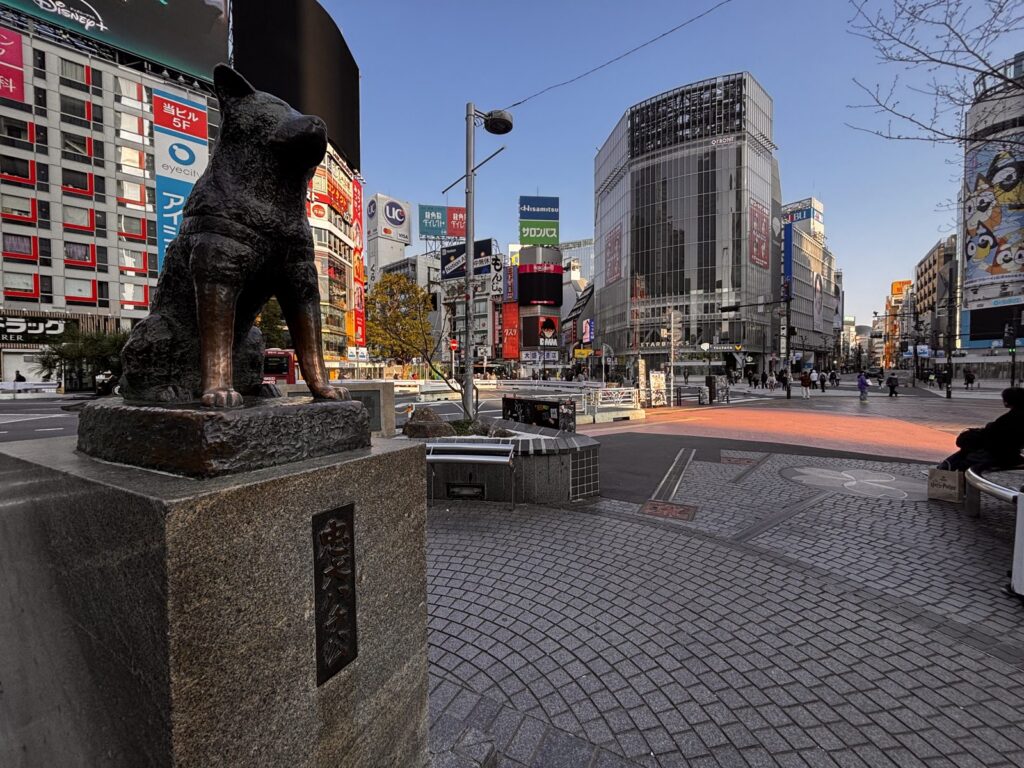
The Hachiko statue honors Tokyo’s most famous loyal dog and serves as the city’s most popular meeting spot. It is located right outside the station doors.
Japan Pro Tip: Avoid visiting Hachiko midday or in the afternoon, as a massive unofficial queue forms just to take a direct photo. Arrive in the morning for an empty plaza. Also, don’t miss the SHIBU HACHI BOX directly in front of the statue—it’s a tourist info center selling exclusive Hachiko merchandise and offering a stamp for your collection book.
How to Navigate the Shibuya Scramble Crossing
This is the busiest pedestrian intersection in the world, famous for its synchronized chaos every time the light turns green.
Japan Pro Tip: To cross smoothly, walk purposefully and follow the flow of the locals; stopping abruptly in the middle is dangerous. If you want to capture a timelapse of the crossing, the best time for photography is during the early morning rush between 6:00 AM and 7:30 AM when the light is clear and the crowds are building but manageable.
2. Center-Gai: Neon Lights & Gacha Culture
Center-Gai Street Walk
Directly across from the Scramble Crossing, Center-Gai is Shibuya’s main pedestrian artery, packed with multi-story fashion boutiques, game centers, and endless dining options. It is the undisputed hub of the neighborhood’s youth culture and nightlife.
Japan Pro Tip: Expect extreme foot traffic at almost any hour. The sheer volume of people moving through Center-Gai makes it very difficult to walk quickly or stop comfortably to take in the sights without being bumped into. You will need to simply go with the flow of the dense crowd.
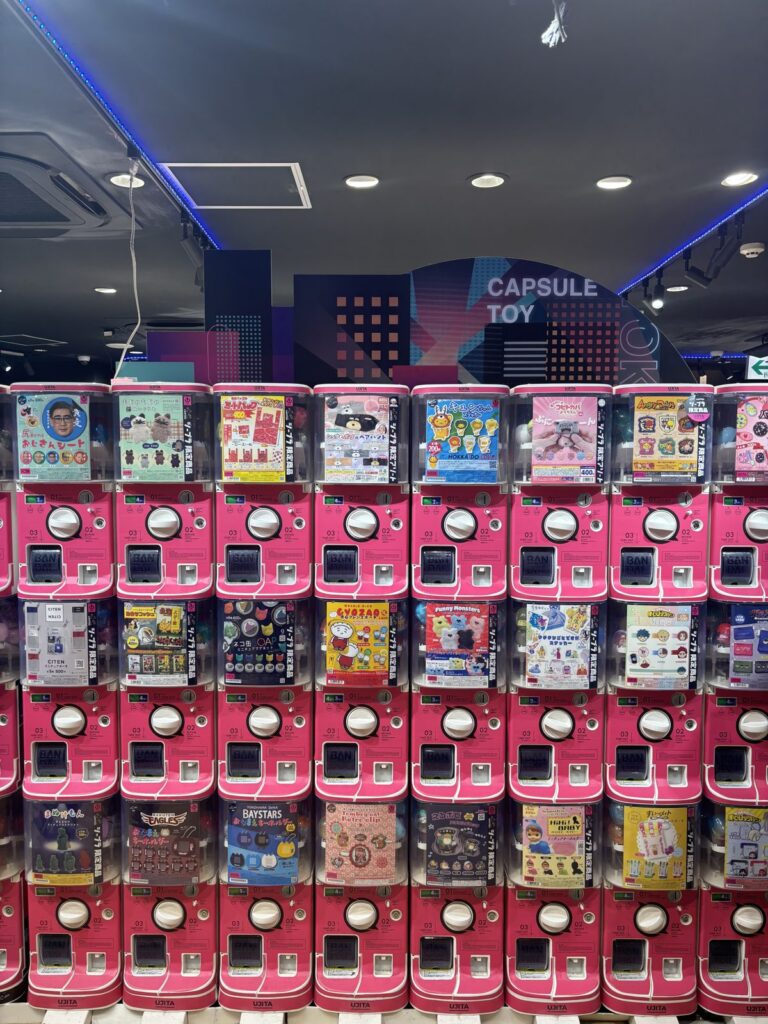
Where to Find the Best Capsule Toys? (#C-Pla Shibuya)
Located right on Center-Gai, #C-Pla is a massive store dedicated entirely to “Gacha Gacha” (Japanese capsule toys). Visitors insert coins into crank machines to dispense high-quality, collectible miniatures ranging from bizarre everyday objects to exclusive anime collaborations.
Japan Pro Tip: The machines strictly require 100-yen coins; there are change machines on-site, but be aware that they will not accept 10,000-yen bills.
3. The Ultimate Shibuya Shopping Loop
MEGA Don Quijote Shibuya
This massive, multi-level discount store is Shibuya’s flagship location for almost anything you can imagine. It is the absolute best place in the district to buy bulk Japanese snacks, unique KitKat flavors, and affordable cosmetics tax-free.
Japan Pro Tip: The sheer volume of merchandise and narrow aisles can be overwhelming during peak afternoon hours. To navigate comfortably and avoid massive checkout lines, visit late at night or early in the morning, as this specific location is open 24 hours.
Where is Nintendo Tokyo and the Pokemon Center? (Shibuya PARCO)
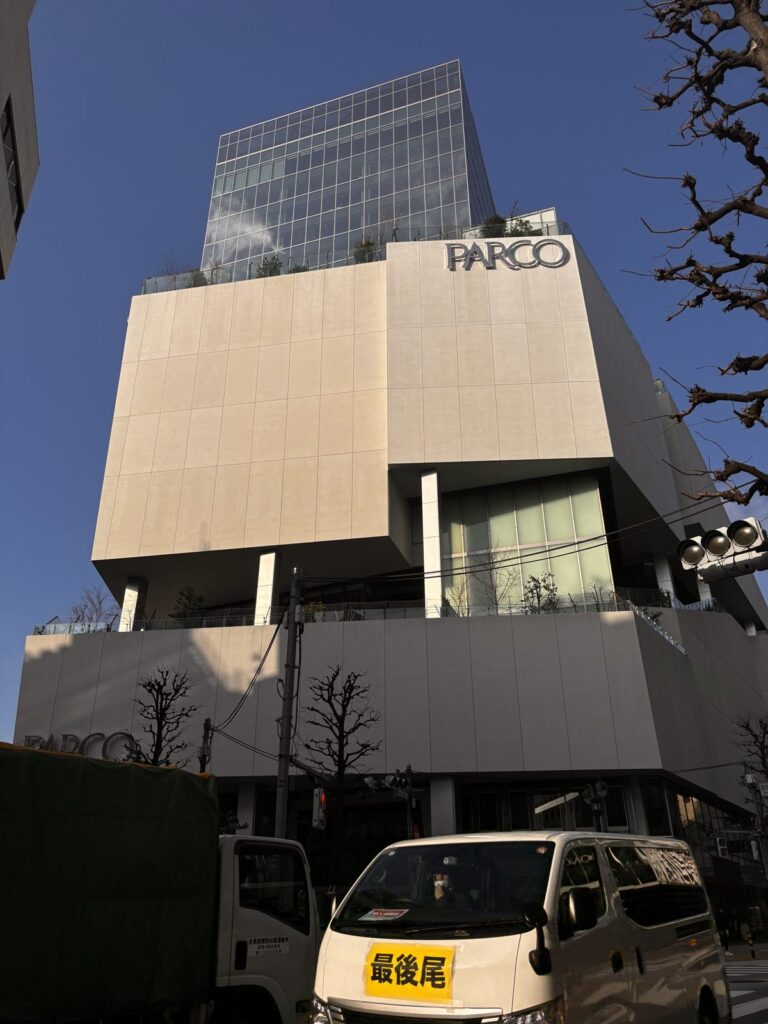
Shibuya PARCO is a premier fashion and pop-culture complex, but its main draw is the 6th floor, known as “Cyberspace Shibuya.” This single floor houses the official Nintendo Tokyo store, a massive Pokemon Center, and the Capcom Store, making it a mandatory stop for gamers and anime fans.
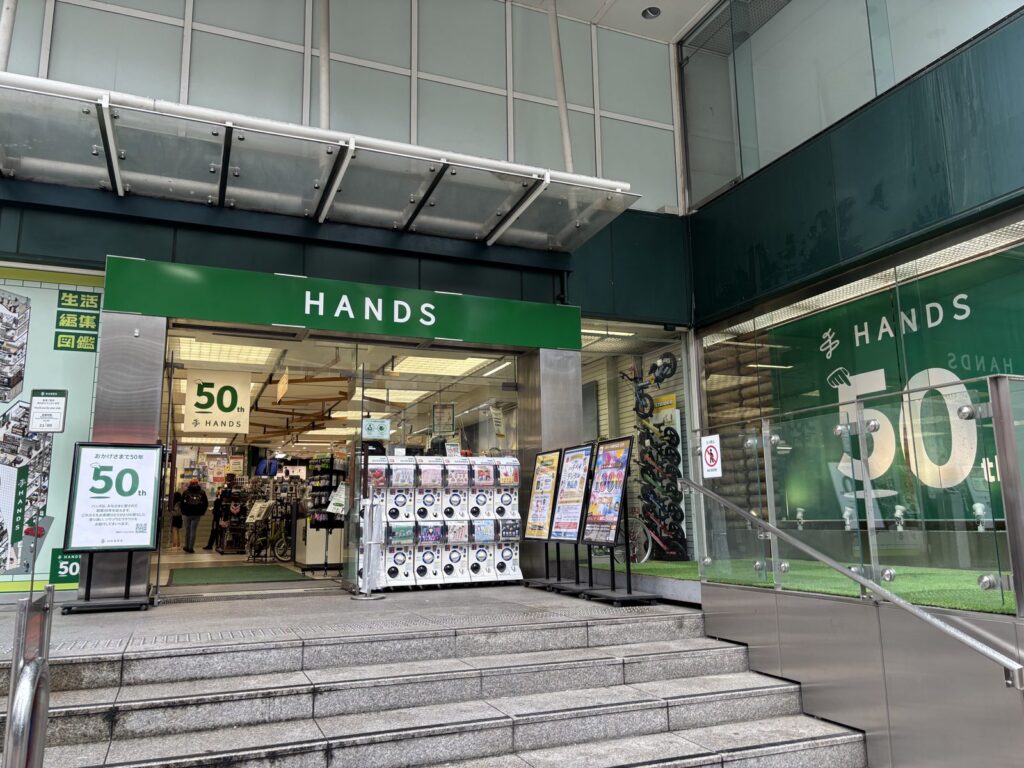
Hands Shibuya (Formerly Tokyu Hands)
Hands is a massive, 8-story lifestyle department store dedicated to premium Japanese stationery, homeware, and DIY crafts. It is arguably the best single shop in all of Shibuya for picking up high-quality, unique gifts and souvenirs to bring back home.
Japan Pro Tip: Navigating eight floors of merchandise can quickly become exhausting. To save your energy and avoid climbing multiple flights of stairs, take the elevator straight to the top floor upon arrival, and then slowly browse your way down through the store using the stairs.
Onitsuka Tiger Shibuya
This multi-story flagship store is dedicated to the iconic Japanese footwear brand, famous for its retro sneaker designs. It carries exclusive models and limited-edition releases that are difficult to find outside of Japan. The store is a popular stop for international tourists because you can purchase the shoes tax-free. Bring your physical passport (not a copy) to claim the tax exemption directly at the cash register.
4. Lunch Break: Where to Eat in Shibuya?
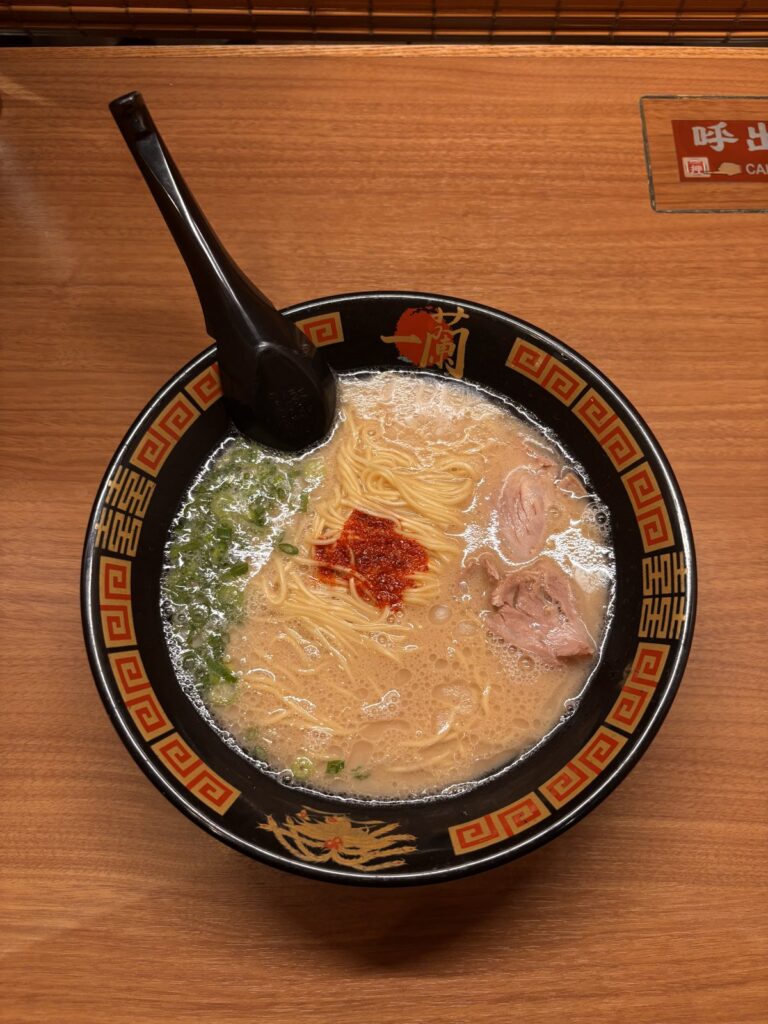
Ichiran Ramen (Spain-zaka)
This iconic tonkotsu ramen chain is famous for its private, solo-dining booths and highly customizable bowls. Located on the narrow Spain-zaka slope, it offers a streamlined, automated ordering process.
Japan Pro Tip: Daytime wait times here routinely exceed one to two hours, often with no visible queue outside to warn you. To avoid the wait, go in the morning, expect a 10-15 minute wait for a seat.
Where to Find High-Tech Sushi? (Uobei Dogenzaka)
Uobei is an affordable, technology-driven sushi restaurant located in the Dogenzaka area. It abandons the traditional slow conveyor belt in favor of a high-speed magnetic rail that delivers your food directly to your seat after ordering on a tablet.
Yamashita Honki Udon (Dogenzaka)
This popular noodle shop in Dogenzaka specializes in thick, chewy Sanuki udon. It is highly regarded for its signature dishes, including udon bowls topped with a savory whipped cream froth. If you want a quick, filling, and visually unique Japanese meal, this is a highly recommended stop
What is the Newest Dining Hub? (Shibuya Sakura Stage)
Shibuya Sakura Stage, the district’s newest major commercial complex, features an ultra-modern food hall on the 4th floor. It unites various local chefs and temporary pop-up concepts in one massive space. While older attractions remain popular, this new food hall is currently a major draw for locals. Visit to sample Tokyo’s latest culinary trends and eat where the residents do.
5. Shibuya Sky Observation Deck: Tickets & Best Views
How to Book Shibuya Sky for the Golden Hour
Shibuya Sky is an open-air observation deck located at the top of Shibuya Scramble Square, offering panoramic, 360-degree views of Tokyo. Visiting during sunset provides the most spectacular lighting over the massive cityscape.
Japan Pro Tip: Securing tickets for the “Golden Hour” sunset slot is highly competitive. Ticket pricing depends on your entry time: admission until 2:59 p.m. is 2,700 yen, while admission after 3:00 p.m. is 3,400 yen. Booking online weeks in advance via the official website is absolutely mandatory, as same-day walk-up tickets are rarely available for the afternoon.
The Best Photo Spots at the Peak
The rooftop is designed for dramatic photography, featuring an iconic outdoor glass escalator and the famous “Sky Edge” glass corner that creates an illusion of floating above the city.
6. Evening in Shibuya: Vintage Alleys and Rooftop Parks
Nonbei Yokocho (Drunkard’s Alley)
Located parallel to the train tracks, Nonbei Yokocho is a historic alleyway packed with tiny, lantern-lit bars. It offers a quieter, more intimate retro drinking experience compared to the heavily touristed Omoide Yokocho in Shinjuku. Many of these establishments only seat four to five people and charge a mandatory seating fee (otoshi). To ensure a smooth experience, look for bars with English menus displayed outside.
Miyashita Park
Miyashita Park is a newly redeveloped, multi-level commercial complex that combines luxury boutiques, a bustling ground-floor food street, and a spacious rooftop park. It serves as a modern hub for Shibuya’s youth culture and socializing.
Japan Pro Tip: Skip the crowded cafes on the lower levels and head straight to the rooftop park. It is a completely free, open-air space where you can sit on the grass, rest your legs after a day of shopping, and watch the city transition into the evening.
How to Walk from Shibuya to Harajuku
Harajuku, Tokyo’s capital of quirky fashion and youth culture, is the logical next destination and is easily accessible on foot from the Miyashita Park area. Taking the train for this short distance is unnecessary. Walk up “Cat Street” to travel between Shibuya and Harajuku. This 15-minute, mostly pedestrian promenade connects the two districts and is filled with vintage shops, streetwear boutiques, and independent coffee stands, making the transit an activity in itself.
Ready to Experience Japan?
Discover handpicked stays, local experiences, and guided journeys curated by Japan experts.
Explore Japan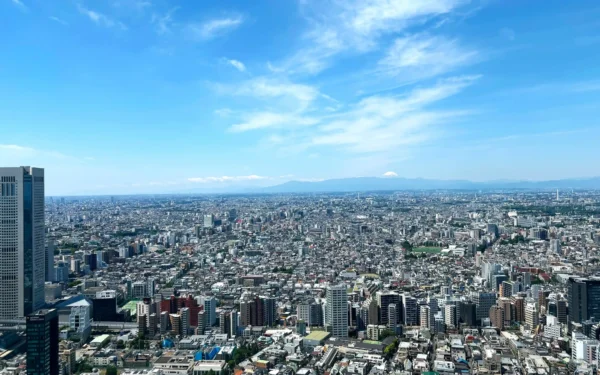
 English
  Japanese
  Chinese (Taiwan)
  Chinese (China)
  Korean
  French
  Italian
  Thai
Thai